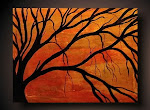
In the time of this world when the light decreases, the birch emanates a glow, resistant to the death of nature in winter times, imposing itself in a life of constant renewal. In the Proto-Indo-European, its etymological root, in the Germanic languages, Baltic and Slavic, this tree is idealized as the fifth essence of white. The birch is the first tree to bloom after thawing, it is the messenger of the breeding powers, and it is essential to the survival of all species, it marks its begining. It has inspirational qualities that transmit light and innocence, it is the sacred tree to the shamans of Europe and the vehicle of the journeys of the shaman in out of the body expiriences. It is a symbol of life, energy and protection, and in Portugal, this is called Vidoeiro or Bétula tree and it is associated with wild boars. Bétula comos from the Germanic name, Beorgan which means, "To Protect". The rebirth of this tree after the winter also brings the old rituals of the hunt. The wild boar is a challenge to the courage and bravery of the hunter.
The Boar carries a strong symbolism of abundance, celebrated in Yule, in the sacrificial death of the animal in honor of Frey, god of the sun rays and fertility, of the Nordic Mythology.
In Portugal the ancients honored the wild boar, depending on the meat to their survival. The killing of the Wild boar or the pig, is ritualized in the colder months, ensuring survival through the winter and up to the rest of the year.
Autumn is dying with the arrival of winter, however, the nature surrenders to the the magic and to the hope of rebirth. The Birch tree produces seeds that can remain alive at low temperatures, as a mother's womb at the peak of fertility.
Freya, the goddess of prosperity and magic in the Norse Mythology, travels through the Cosmic worlds on the back of the "battle boar", Hildsvín / Hildisvíni.
The birch rod contains the fertilizing and regenerative powers. It is the evocation of the magical instrument of celestial influences. Its branches are great for campfires at the Walpurgis Night and in Haustablót. The slow combustion, the wood fueled the torches that lit the bridal bed, involving the environment in a pleasant fragrance.


 Posts
Posts